One of a recent townhalls I attended at work a senior leadership member uttered a new word which got stuck in my head for a while now. ” Subscription Economy“. the senior member was emphasizing around this topic for the go to market strategy for our company’s future. so I thought to dig slightly deeper into this topic and write so here we are…
In the recent years, there has been a paradigm shift in consumer behavior and business models, giving rise to what is known as the “Subscription Economy”. The revolutionary concept has transformed the way we access products and services, offering convenience, flexibility and personalized experiences. From streaming services to meal kits, software applications to clothing, subscriptions have become the preferred choice for both consumers and businesses. In this blog post, we will explore the subscription economy, its key drivers, and its implications for various industries.
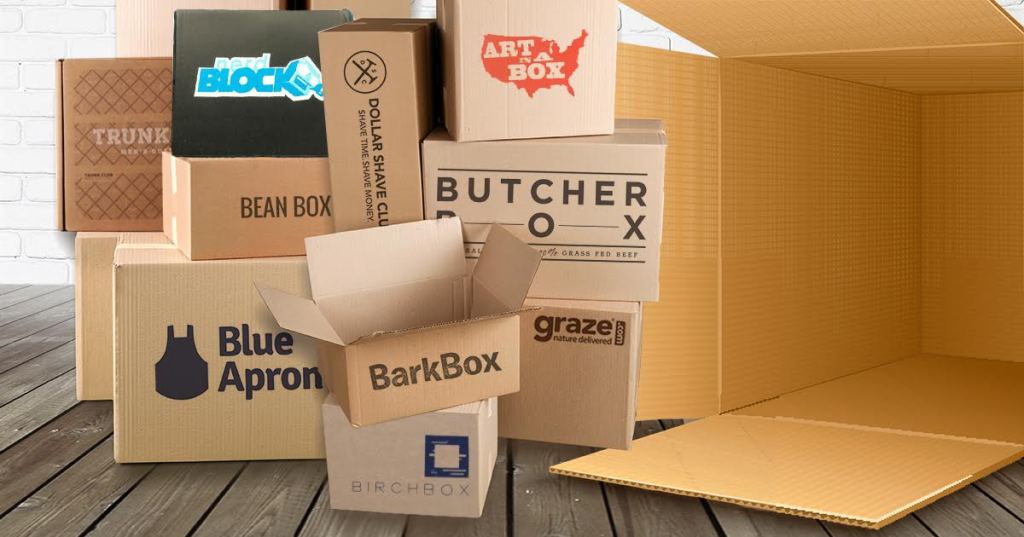
Let’s understand Subscription Economy:
The subscription economy refers to the shift from traditional transaction-based models to recurring revenue models based on subscriptions. instead of purchasing products outright, consumers now have the option to subscribe and gain access to a range of goods & services for a monthly or annual fees. This model offers a compelling value proposition for customers as they can enjoy convenience, affordability, and the ability to customize their experiences.
Key drivers of the subscription economy:
- Convenience and Personalization: Subscriptios provide consumers with the convenienve of access to a variety of products or services on-demand, without the need for ownership. Additonally,many subscription-based businesses leverage adata analytics to personalize offeresings, tailoring experiences to individual preferences and increaseing customer satisfaction.
- Cost-Effectiveness and Budget-Friendly: By paying a fixed feed for a subscription, consumers can avoid significant upfront costs and enjoy greater predictability in their budgets. this affordability factor appeals to a broad of consumers, particularly millennials and younger generations who prioritize experiences over ownership.
- Shift in consumer mindset: Increasingly, consumers are placing more values on experiences rather than possessions. they seek flexibility, variety and the ability to try new things without committing to long term ownership. subscriptions provide the perfect solution, allowing customer to access a wide range of products and services while remaining adaptable to changing preferences.
Implications for Businesses:
The subscription economy has significant implications for businesses across various industries:
1. Recurring Revenue Streams: Traditional businesses often rely on one-time transactions, leading to unpredictable revenue patterns. By adopting a subscription model, companies can establish recurring revenue streams, resulting in more predictable cash flow and increased business stability.
2. Enhanced Customer Relationships: Subscriptions foster ongoing customer relationships, leading to improved customer loyalty and retention. Regular interactions and personalized experiences help businesses better understand their customers, leading to the development of targeted marketing strategies and the potential for upselling and cross-selling.
3. Innovation and Agility: The subscription model encourages companies to constantly innovate and improve their offerings to maintain customer engagement. Businesses must regularly introduce new features, content, or products to retain subscribers, creating a culture of continuous improvement and agility.
4. Data-Driven Insights: Subscriptions generate a wealth of data that businesses can leverage to gain valuable insights into consumer behavior and preferences. This data-driven approach enables companies to make informed decisions, optimize their offerings, and create tailored experiences for their customers.
Industries Impacted by the Subscription Economy
The subscription economy has permeated numerous industries, including:
1. Media and Entertainment: Streaming services like Netflix, Spotify, and Amazon Prime Video have transformed the way we consume media, offering unlimited access to a vast library of content.
2. Software and Technology: Companies like Adobe, Microsoft, and Salesforce have transitioned to subscription-based models, providing software-as-a-service (SaaS) solutions that offer frequent updates and support.
3. E-commerce and Retail: Subscription boxes, such as GlamEgo ,Fab Bag , Lady Raga, and Stitch Fix, have gained popularity, delivering personalized products directly to customers’ doors.
4. Mobility: Ride-sharing platforms like Uber and Ola offer subscription plans, allowing frequent riders to access discounted fares and additional benefits.
5. Health and Fitness: Subscription-based fitness apps, such as healthify, Fittr and ClassPass, provide users with access to a wide range of workout classes and fitness programs.
6. Fashion and Apparel: This is not yet popular in India but, Clothing rental services like Rent the Runway and Le Tote offer customers the opportunity to regularly update their wardrobes without the need for long-term ownership.
7. Food and Meal Kits: In India, Subscription-based meal delivery services like Ootabox , dinnerly, fitmeals and thelunchbox have gained popularity, providing customers with pre-portioned ingredients and recipes for convenient and hassle-free cooking.
8. Beauty and Personal Care: Beauty subscription boxes, such as GlamEgo ,Fab Bag , Lady Raga and Euphorbia Box, offer curated samples of cosmetics and skincare products, allowing consumers to discover new brands and products.
as we all experience now, the subscription economy has transformed the way we live and do business, offering convenience, affordability, and personalized experiences to consumers while providing recurring revenue streams and enhanced customer relationships for businesses. This evolving model continues to disrupt traditional industries, and its influence is expected to expand further in the future. As companies adapt to the changing consumer preferences, the subscription economy presents exciting opportunities for innovation, agility, and data-driven insights. Whether it’s streaming services, meal kits, or clothing rentals, the subscription economy is here to stay, shaping the future of how we access and enjoy products and services.
 AnalystGuru - Everything Analysis
supreme! SpaceX Successfully Launches Crewed Mission to ISS 2025 amazing
LikeLike