From your breakfast cereal to animal feed, grains like wheat, soybeans, and corn are fundamental to global sustenance. But how do these massive quantities of commodities travel from vast agricultural fields to processing plants and consumers worldwide? The answer lies in the intricate world of dry bulk trading and shipping. It’s a complex, multi-stage operation driven by global supply and demand, technological advancements, and a constant dance with market dynamics and natural elements.
What is Dry Bulk Trading of Grains?
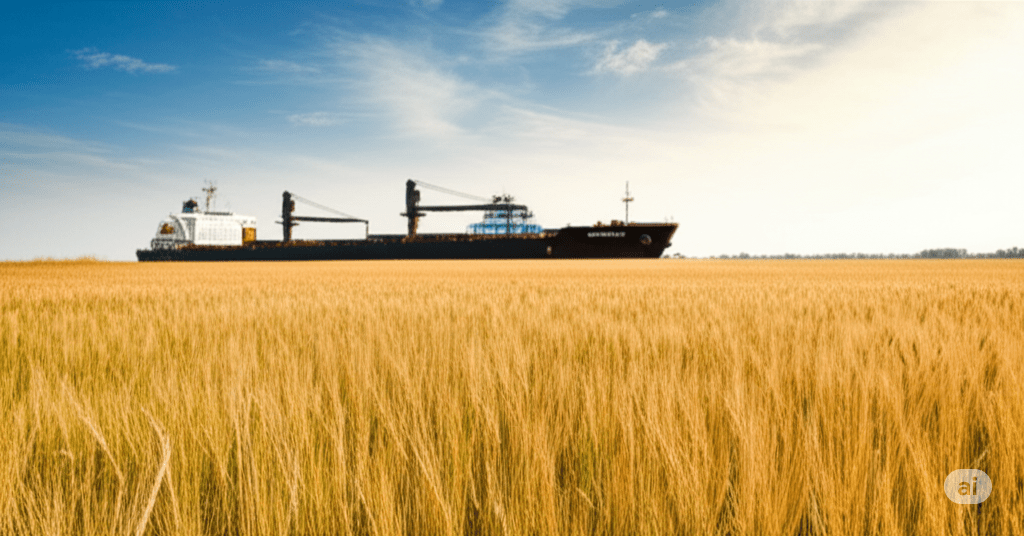
At its core, dry bulk trading of grains involves the buying and selling of unpackaged, unprocessed grain commodities in large volumes. Unlike containerized goods, these grains are poured directly into the cavernous holds of specialized vessels called bulk carriers. This method is incredibly efficient for moving millions of tons of produce across oceans, forming the backbone of global food security.
The major players in this market include large agricultural trading houses, grain producers, importers, and a host of supporting industries like shipping companies, port operators, and financial institutions.
The Critical Workflows: A Journey from Field to Market
The dry bulk trading of grains is a finely tuned symphony of interconnected workflows, each crucial for the successful and timely delivery of cargo. Here’s a breakdown of the key stages:
1. Sourcing and Origination: The First Harvest Steps
- Farm Gate to Local Storage: Grains are harvested and then transported from farms to local storage facilities, often grain elevators or silos. Here, they undergo initial cleaning, drying, and grading to meet quality specifications.
- Aggregation and Quality Control: As grains are collected from various farms, they are aggregated at larger regional silos. Crucially, quality checks (moisture content, foreign material, protein levels for wheat, etc.) are performed by independent surveyors. This ensures the grain meets the buyer’s contractual specifications and is suitable for long-distance transport without spoilage.
- Logistics Planning (Inland): The process of moving grain from regional storage to port is a major logistical undertaking. This often involves a combination of trucks, railcars, and barges, chosen based on cost, distance, and available infrastructure. Efficient scheduling and routing are vital to avoid bottlenecks.
Trading and Contracting: The Commercial Heartbeat
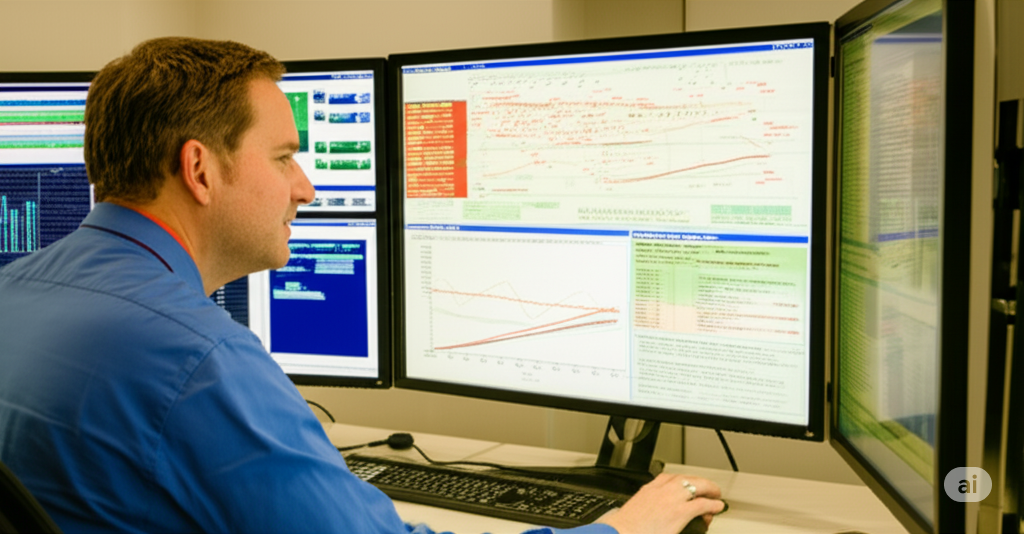
- Market Intelligence and Price Discovery: Traders constantly monitor global supply and demand, weather patterns, geopolitical events, and freight rates to determine optimal buying and selling opportunities. Prices are often influenced by global benchmarks like the Chicago Board of Trade (CBOT) futures.
- Negotiation and Deal Closure: Buyers and sellers negotiate contracts (often based on Incoterms like FOB, CIF, or CFR), specifying quantity, quality, price, delivery window, and payment terms. These contracts are legally binding and form the basis of the entire operation.
- Risk Management: Both buyers and sellers employ various strategies to manage price volatility (e.g., hedging with futures contracts) and operational risks (e.g., quality discrepancies, demurrage, force majeure clauses).
Vessel Chartering and Freight Management: Booking the Voyage
- Ship Brokering: Once a trade deal is struck, the party responsible for transportation (either buyer or seller, depending on the Incoterm) needs to secure a vessel. This is done through shipbrokers who connect cargo owners with shipowners.
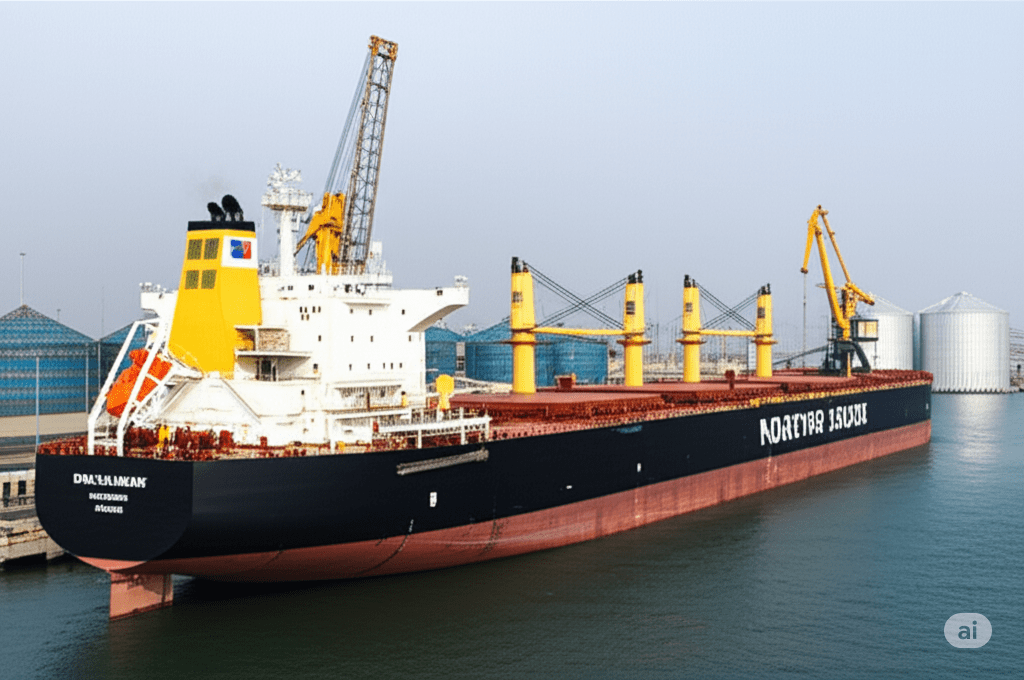
- Vessel Selection: The choice of vessel (e.g., Panamax, Supramax, Handysize) depends on the cargo volume, port draft limitations, and desired transit time.
- Freight Negotiation: Freight rates are negotiated, influenced by factors like vessel availability, bunker fuel costs, port congestion, and global economic activity.
- Voyage Planning: The shipping company meticulously plans the vessel’s route, considering weather, currents, and potential port delays to ensure timely and safe delivery.
Port Operations: The Hub of Transfer
- Pre-loading Inspection: Before loading, independent surveyors rigorously inspect the vessel’s holds to ensure they are clean, dry, and free from contaminants or previous cargo residues, meeting international maritime regulations (e.g., Grain Code). Watertight integrity of hatch covers is also crucial.
- Loading Operations: Grains are loaded into the ship’s holds using specialized equipment like conveyor belts, gravity-fed systems from silos, or grab cranes. This process is carefully monitored to ensure even distribution for vessel stability and to minimize spillage and dust.
- Draft Survey and Documentation: A draft survey is conducted to accurately determine the loaded cargo weight. All necessary documentation, including Bills of Lading, Cargo Manifests, and Quality Certificates, are prepared.
- Fumigation (if required): Depending on the destination’s phytosanitary regulations and the cargo’s condition, fumigation might be carried out in the holds to prevent pest infestation during transit.
Ocean Transit and Monitoring: Across the High Seas
- Vessel Management: Throughout the voyage, the vessel’s crew monitors cargo conditions (temperature, humidity), maintains accurate records, and ensures proper ventilation to prevent spoilage. Any deviations or issues are reported to the shipowners and charterers.
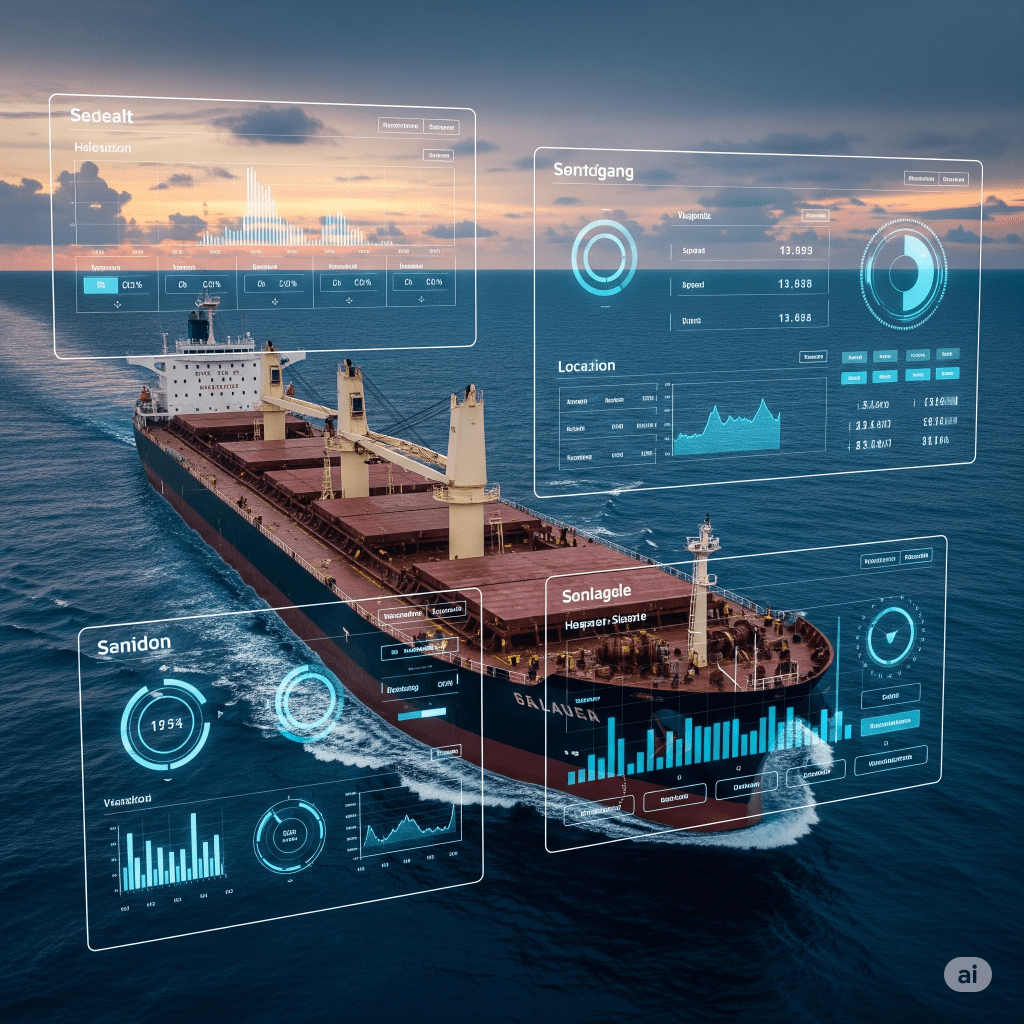
- Tracking and Communication: Modern technology allows for real-time tracking of vessels, providing transparency and enabling proactive communication between all stakeholders.
- Compliance and Safety: Adherence to international maritime regulations, safety protocols, and environmental standards is paramount.
Discharging and Inland Distribution (Destination): The Final Leg
- Arrival and Customs Clearance: Upon arrival at the destination port, the vessel undergoes inspection, and customs clearance procedures are initiated.
- Unloading Operations: Similar to loading, specialized equipment is used to discharge the grain from the vessel into portside silos or directly onto trucks or trains for onward transport.
- Post-Discharge Quality Check: Another round of quality inspection may occur to confirm the grain’s condition upon arrival.
- Inland Distribution: From the port, grains are transported to mills, processing plants, or further distribution centers, completing their journey from farm to end-user.
The Ever-Evolving Landscape
The dry bulk trading of grains is a dynamic industry constantly adapting to new technologies, environmental regulations, and geopolitical shifts. Digitalization, big data analytics, and automation are increasingly being adopted to optimize routes, enhance efficiency, and improve supply chain visibility. However, the fundamental workflows of sourcing, trading, shipping, and delivery remain the pillars of this essential global industry, ensuring that the world’s most vital crops reach those who need them.
If you are a commodity trading house, is your CTRM solution able to handle these workflows and cross functional complexities???
 AnalystGuru - Everything Analysis