Space Tourism on the Trends
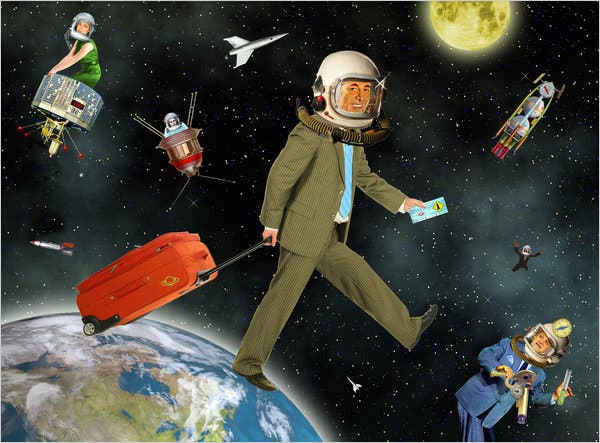
Pic courtesy Newyork times
In 2021, we are seeing a lot of giant corporates who have established their market share in their existing industry like ecommerce, aviation, technology etc started going to space with their ambitious indigenous built space vehicles along with fellow passengers who were carefully chosen from various background, ethnicity and experience.
Well, this is the start of a new ERA for Space tourism. These corporate giants have invested billions of dollars in these indigenous built commercial space vehicles, that are capable of launching into space and retuning back safely.
What exactly is Space Travel?
According to the Fédération Aéronautique Internationale, space starts at an altitude of 100 km above the surface of the earth. This is the Karman line where atmospheric lift no longer supports a flying object.
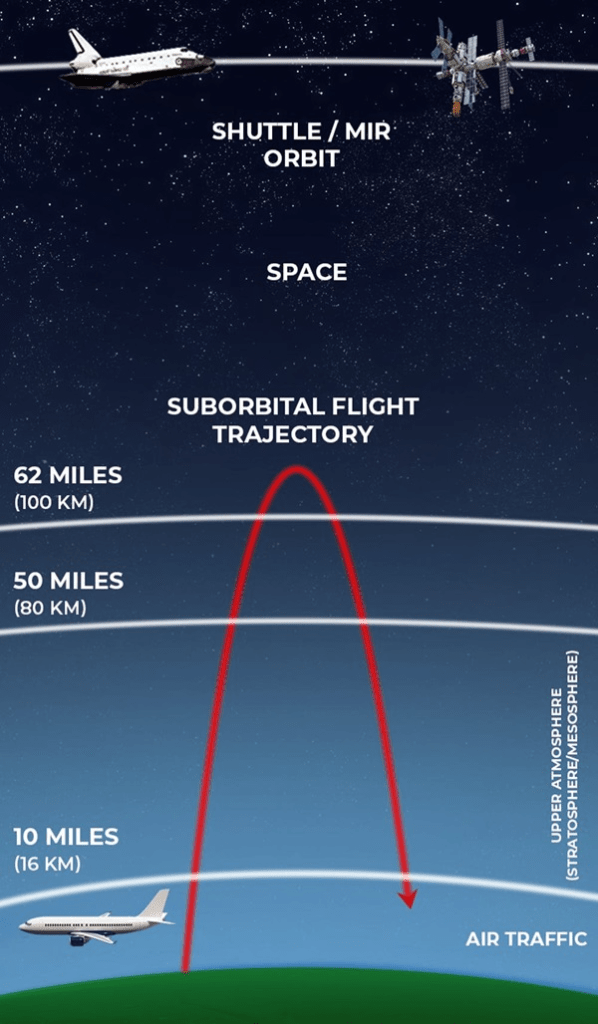
Space travel is referred to as any flight operation that takes one or more passengers beyond the altitude of 100 km and thus into space. The tourism industry is experiencing rapid transformation with more customers being interested in space travel. Key trends likely to impact space tourism are the decline in the cost of space tourism along with technological advancements such as focusing on reusability of rockets among others.
Do you need to take a crash course in NASA?
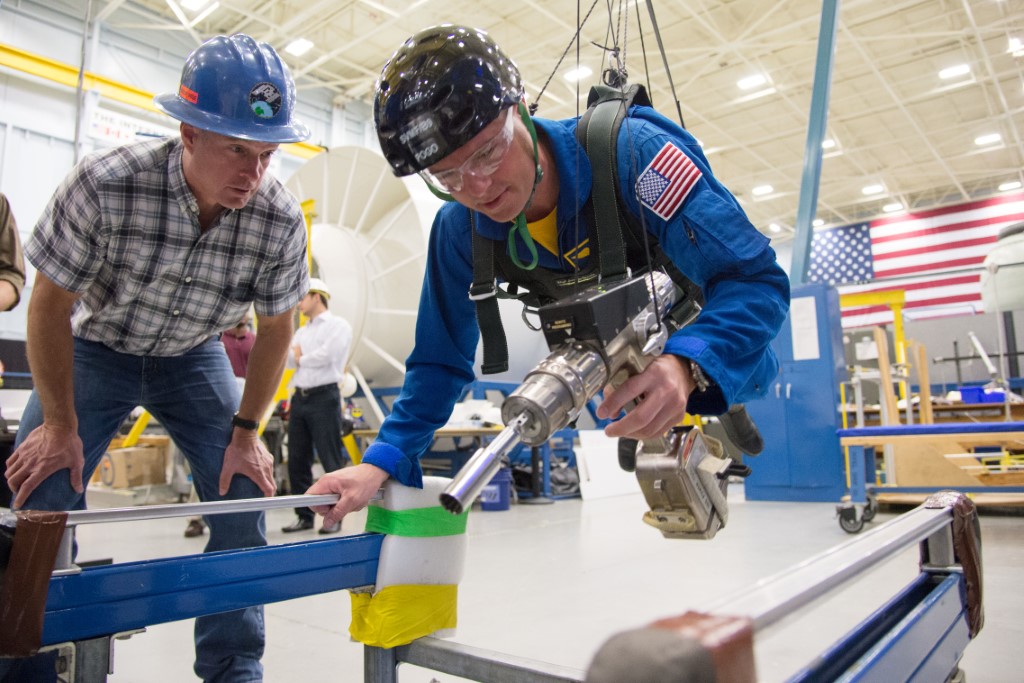
Do I need to be trained like an astronaut .Well, the whole idea of space tourism evolved with a underlying principle ” SPACE FOR EVERYONE”. You don’t have to take a crash course in NASA, all you need is a fat wallet.
Space Tourism Market Overview
The space tourism market is forecast to reach $1.3bn by 2025, growing at a CAGR 12.4% during forecast period, 2020-2025.
How much do I need to Save to buy this ticket?
This year marks 60 years since Soviet cosmonaut Yuri Gagarin became the first human in space. Since then, almost 600 trained astronauts have gone into outer space, but very few people have become space tourists.
The first, US engineer Dennis Tito, paid a reported US$20 million to spend six days orbiting Earth in the Russian section of the International Space Station in April 2001, after three months’ training at Russia’s Star City complex. He was followed by a handful of other very wealthy “orbital tourists”, most recently Cirque de Soleil founder Guy Laliberté in 2009, whose ticket reportedly cost US$35 million.
Unlike their predecessors, Branson’s and Bezos’ flights were suborbital – they didn’t reach the velocity needed to orbit Earth. Bezos’s entire flight lasted just over 10 minutes. Suborbital flights are much less technically complex, and in theory cheaper (although one seat on the New Shepard flight was auctioned for US$28 million).
But the hope is that, anyone who can afford the trip can go to space with just a day’s training for a Blue Origin trip and three days of training for Virgin Galactic trip. Right now, only super rich may attempt it. The tickets are expected to be priced in the range of $200,000-300,000 for space trips from Blue Origin and Virgin Galactic. But the demand far exceeds supply.
What’s the story in India?
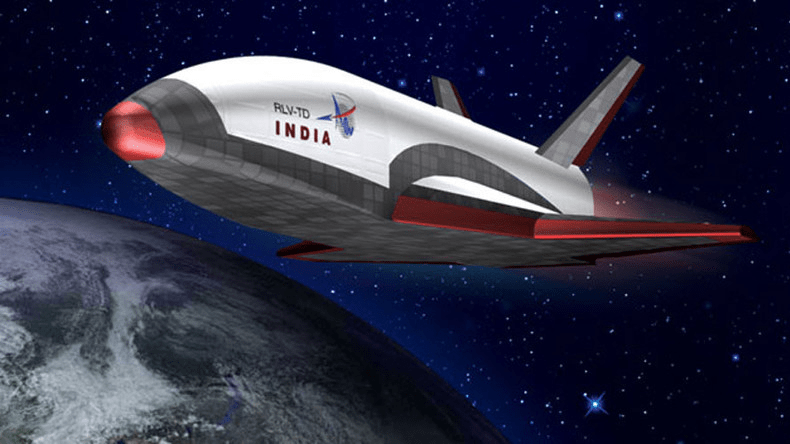
We in India must accelerate our progress in this field. While space tourism might seem a needless indulgence, the concept may not just be recreational. It can provide a base for testing super-sonic travel between different destinations on earth, significantly compressing travel time. Besides, it brings opportunities for the entry of the private sector into this arena. Blue Origin was founded in 2000, SpaceX in 2002, Virgin Galactic in 2004. It’s taken these companies nearly two decades and substantial funding and effort to come this far. While the Indian government last year announced a policy to open space exploration to the private sector, there has not been much follow up. It is imperative, we get a strong foothold in space. ISRO alone cannot do the job.
May be sooner or later we might hear the top billionaires launching starship- Ambani Travels or Birla Galactic or Tata spaceX.
 AnalystGuru - Everything Analysis